At Carpeter, we reclaim vintage carpets and reimagine their stories through unique rugs and pet houses.


The Most Famous Types of Persian Handwoven Carpets
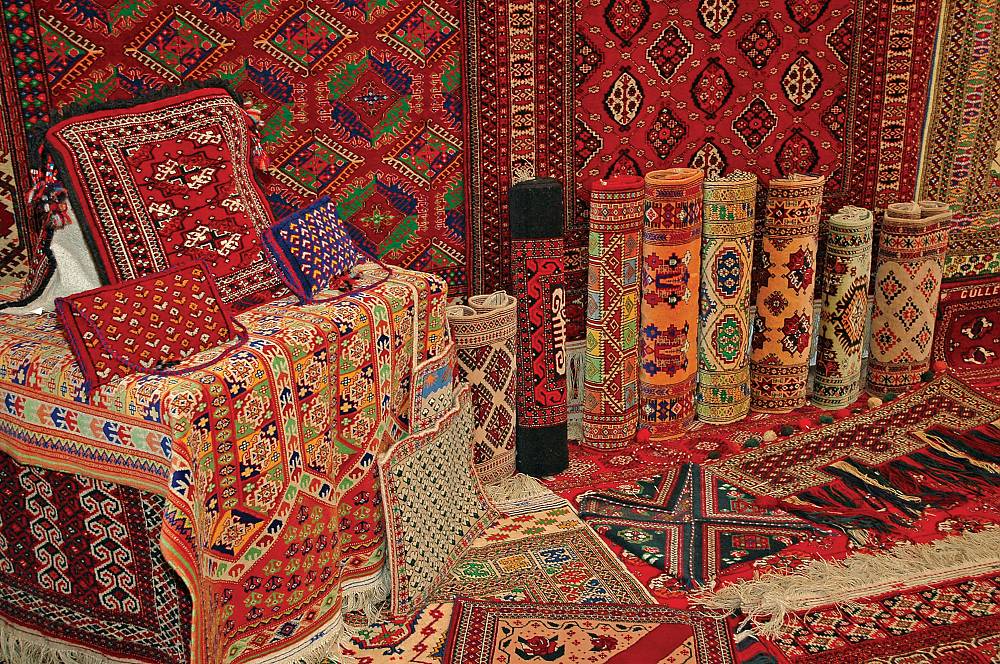
The **Persian handwoven carpet** is one of the most remarkable works of art in the world, admired for its beauty, quality, and unmatched diversity. Each region of Iran, drawing on its own history, culture, and local materials, produces unique styles and carpet names.
In this article, we introduce the names and main features of the most famous types of Persian handwoven carpets.
In this article, we introduce the names and main features of the most famous types of Persian handwoven carpets.
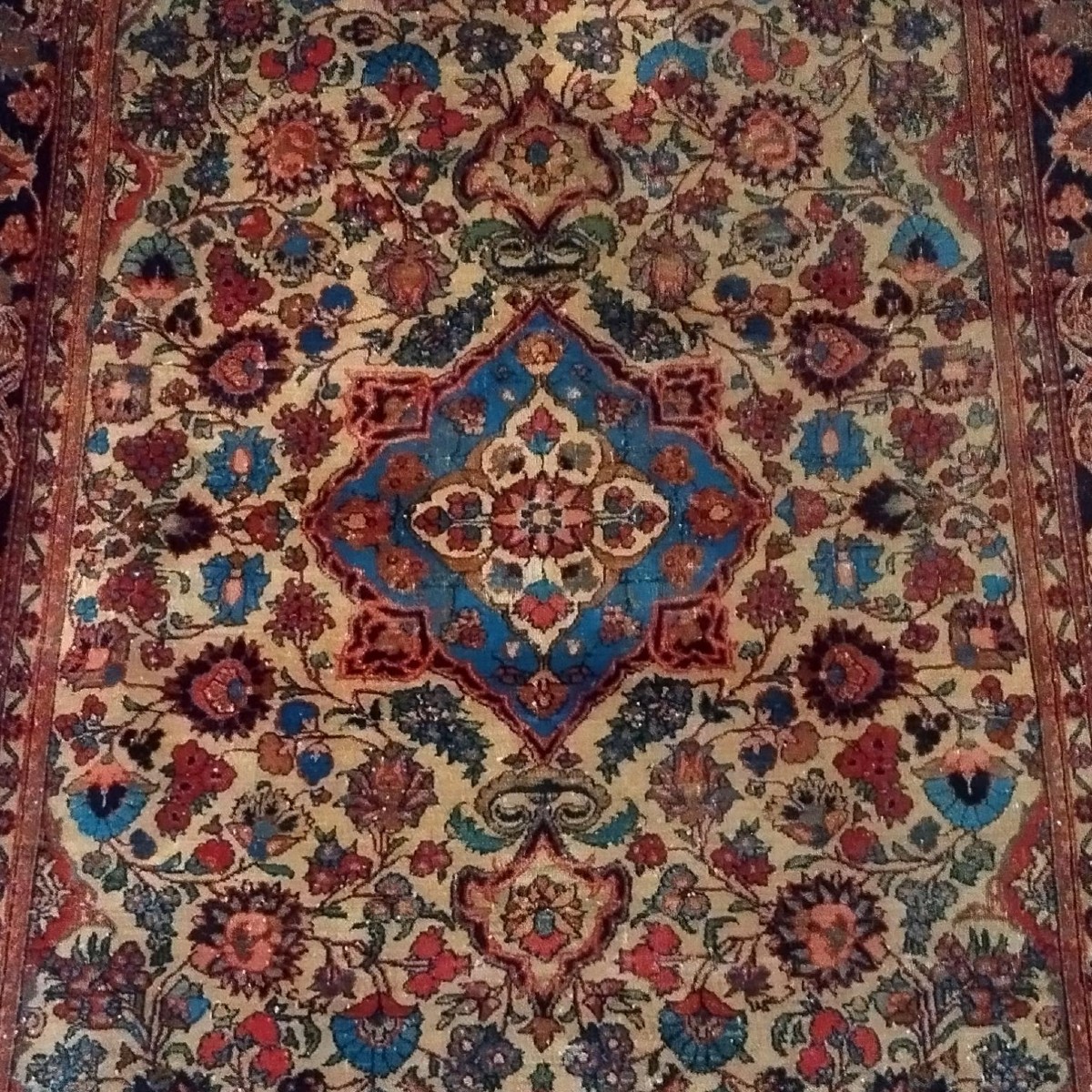
1. Tabriz Carpet
The Tabriz carpet is one of the most famous Persian handwoven rugs, produced in the city of Tabriz and its surrounding regions.
Common motifs: hunting scenes, medallion-and-corner (lachak-toranj), floral (gol-farang).
Materials: usually high-quality silk or fine wool.
Features: very fine weave, short pile, and Turkish (symmetrical) knots.
2. Isfahan Carpet
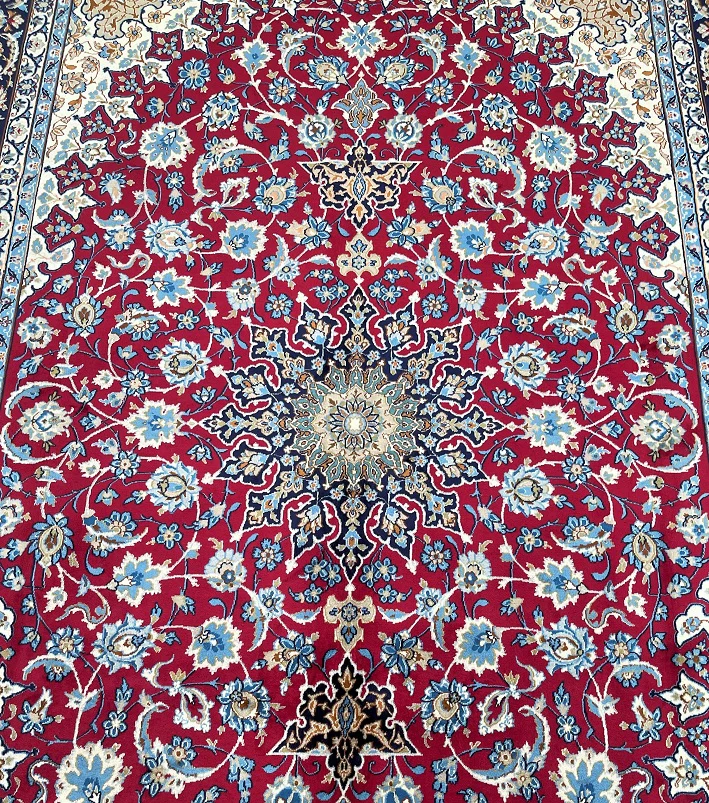
Isfahan carpets are known for their delicacy and intricate designs. They are often considered valuable works of art.
Common motifs: Shah Abbasi flowers, arabesques (eslimi), tree of life.
Materials: silk and fine wool.
Features: light color palette, frequent use of blue and cream tones.
3. Qom (Qum) Carpet
Qom carpets are famous worldwide for their use of pure silk and extremely delicate weave.
Common motifs: birds and flowers, hunting scenes, paisley (boteh-jegheh).
Materials: all-silk or silk–wool blend.
Features: ultra-fine knots and small, precise patterns.

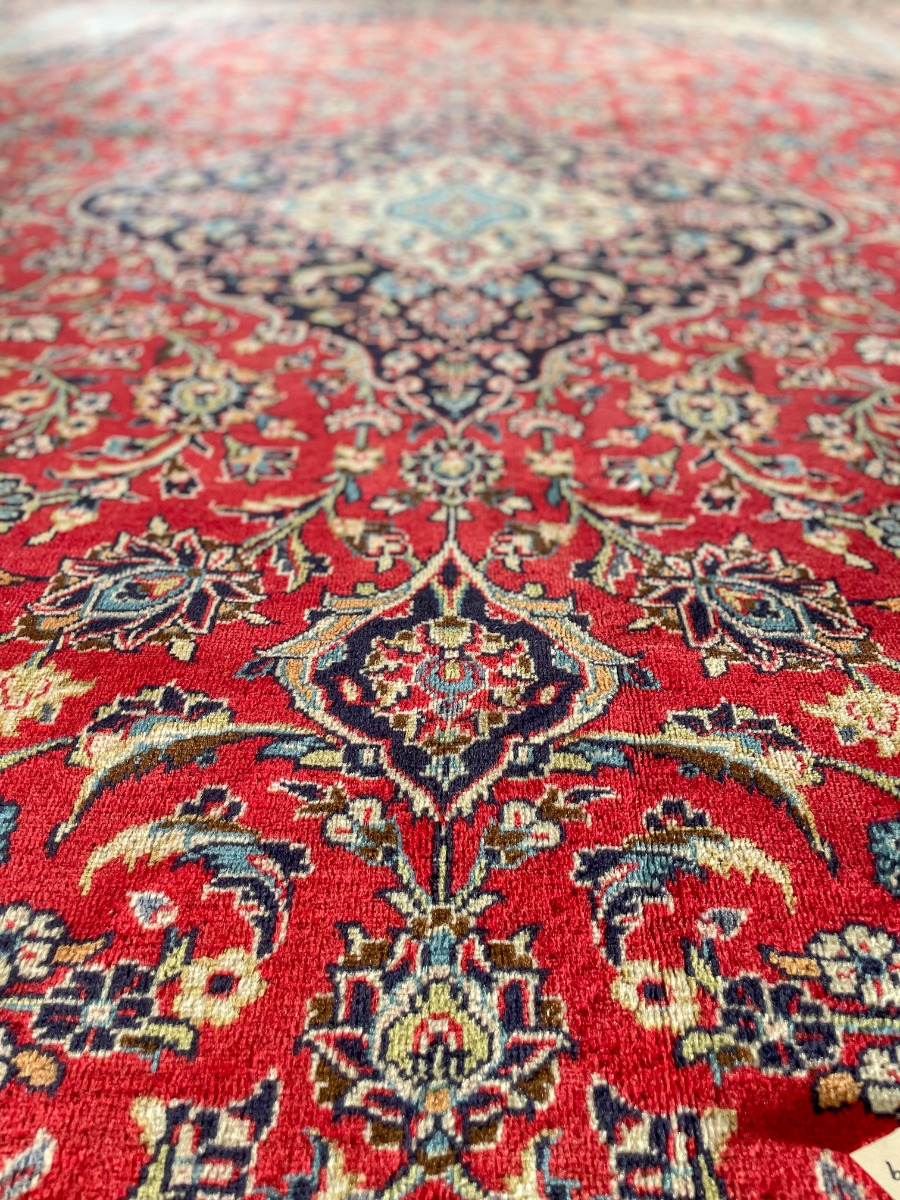
4. Kashan Carpet
Kashan carpets are among the oldest and most popular Persian rugs.
Common motifs: medallion-and-corner, tree designs, Shah Abbasi flowers.
Materials: high-quality wool or a wool–silk mixture.
Features: warm color tones such as red and deep scarlet.
5. Mashhad Carpet
The Mashhad carpet is known for its simple yet visually captivating designs.
Common motifs: medallion with plain borders.
Materials: wool and some silk.
Features: dark and deep hues, especially crimson and burgundy.

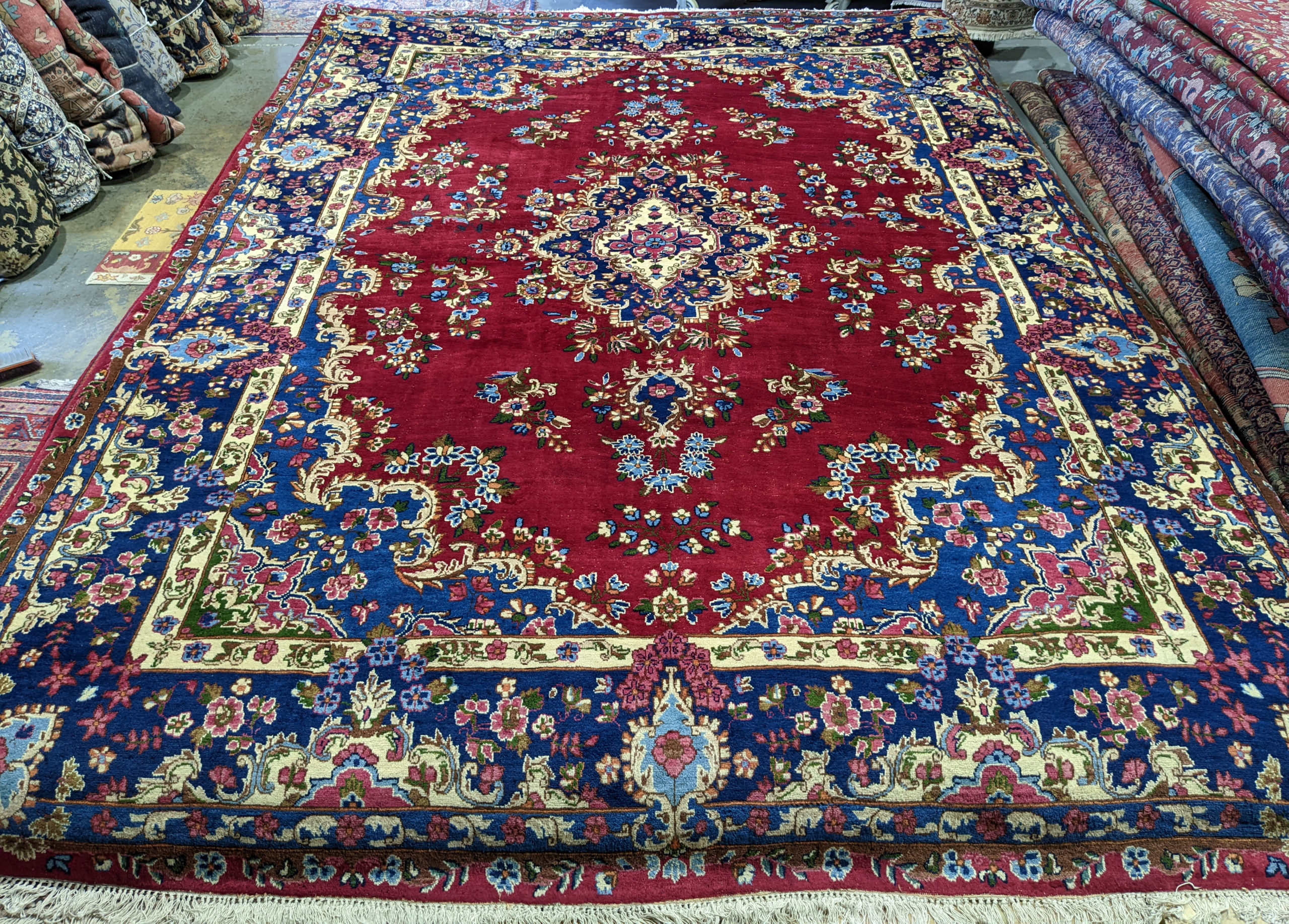
6. Yazd Carpet
The Yazd carpet is a high-quality Persian handwoven rug recognized for its authentic traditional designs.
Common motifs: panel (kheshti), Shah Abbasi, paisley.
Materials: pure wool and natural dyes.
Features: geometric patterns and strong, durable texture.
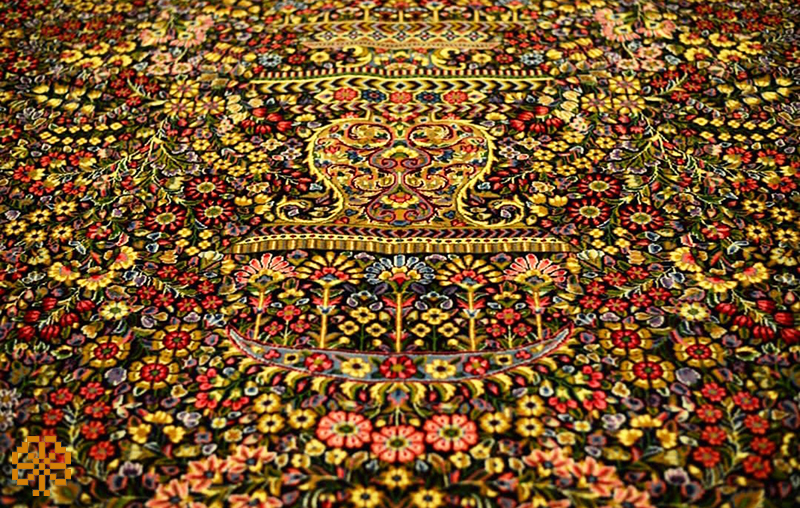
7. Kerman Carpet
Kerman is renowned for producing delicate and colorful carpets.
Common motifs: all-over (afshan), Shah Abbasi, medallion patterns.
Materials: high-grade wool and silk.
Features: bright colors and elaborately detailed designs.
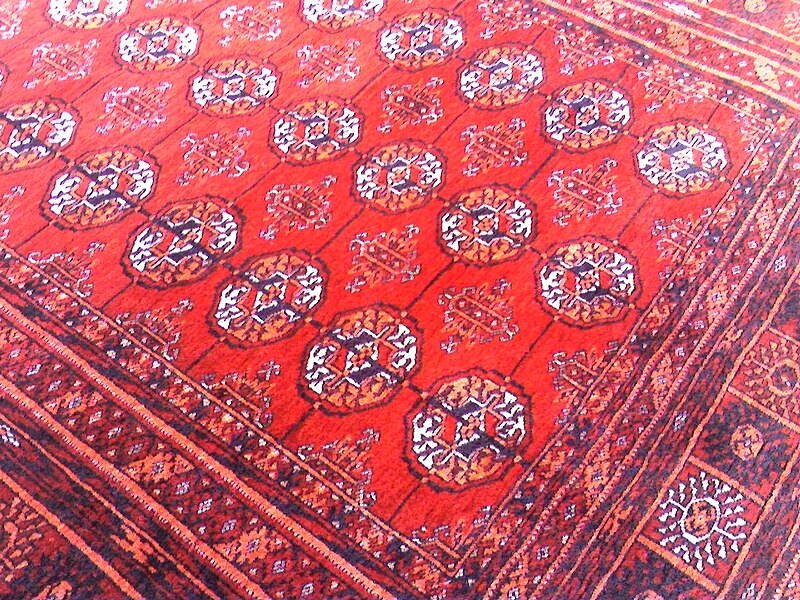
8. Turkmen Carpet
The Turkmen carpet is woven by Turkmen tribes in northeastern Iran, notably around Gonbad-e Kavus.
Common motifs: Turkmen guls (tribal medallions), geometric designs.
Materials: pure wool.
Features: smaller sizes and warm colors such as red and brown.
9. Bakhtiari Carpet
The Bakhtiari carpet is produced by the nomadic Bakhtiari tribes of western Iran.
Common motifs: panel (kheshti) and floral designs.
Materials: fine wool.
Features: geometric patterns and exceptional durability.

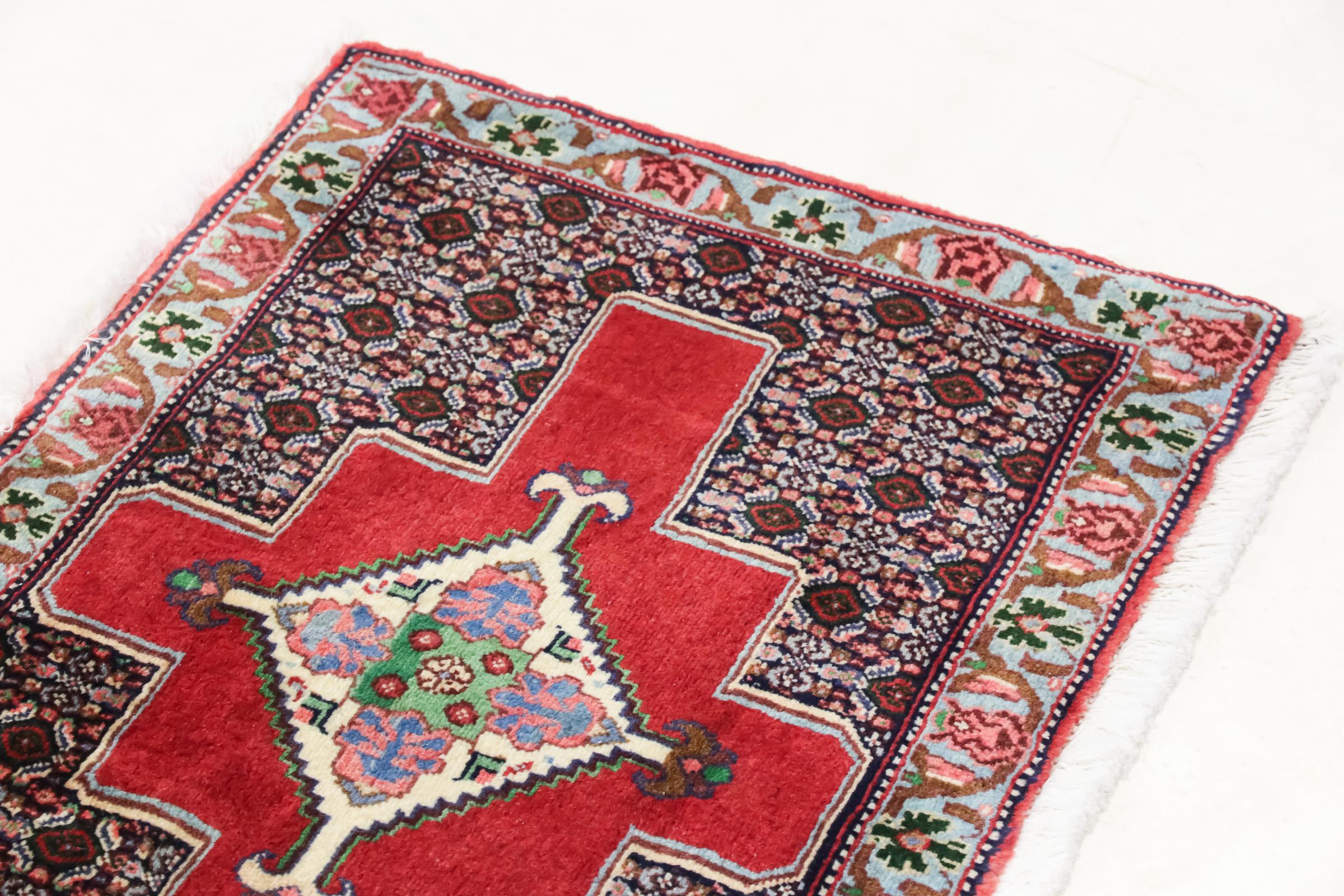
10. Sanandaj (Kurdistan) Carpet
Sanandaj carpets are among the most delicate of Persian rugs.
Common motifs: floral and the “fish” (mahi) design.
Materials: fine wool.
Features: Persian (asymmetrical) knots and symmetrical layouts.
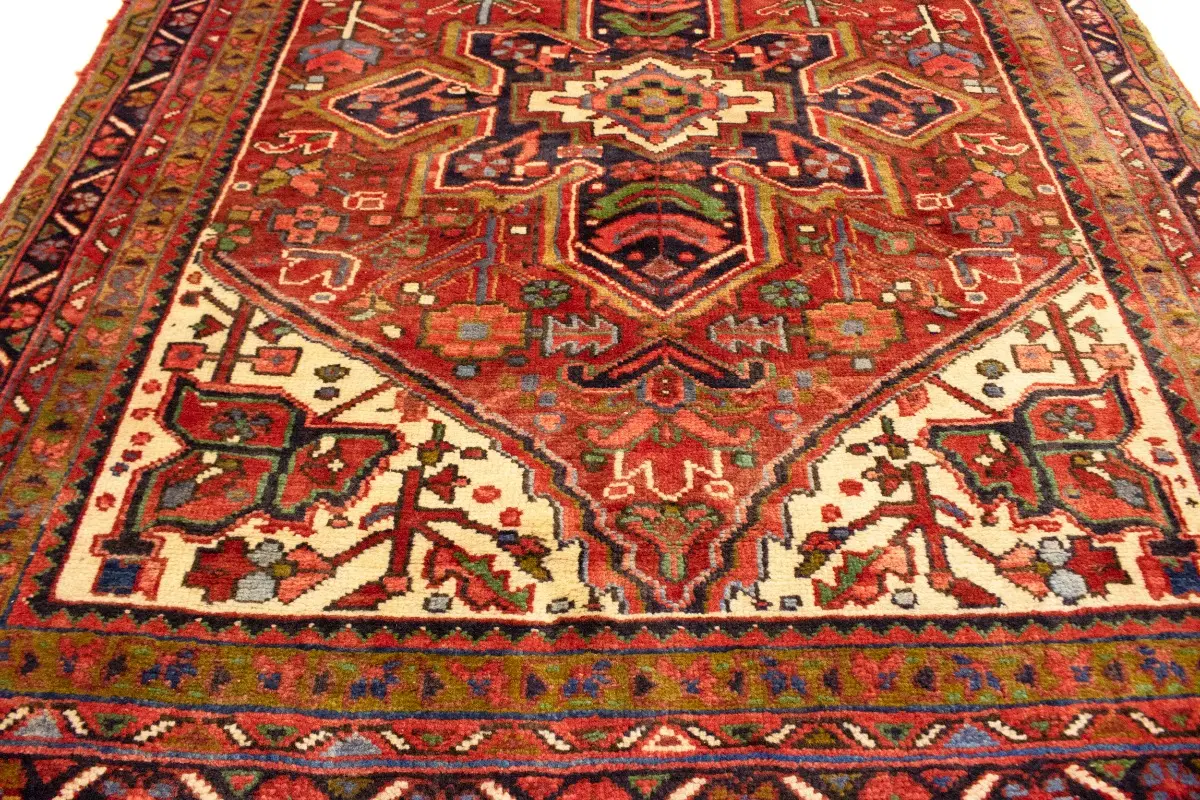
11. Heris Carpet
The Heris carpet, woven in East Azerbaijan, is known for its unique geometric designs and strong structure.
Common motifs: angular and geometric patterns.
Materials: wool and occasionally silk.
Features: thick pile and coarse weave.

12. Sistan and Baluchistan Carpet
Sistan and Baluchistan carpets reflect the local culture and traditional artistry of the region.
Common motifs: simple geometric shapes.
Materials: wool.
Features: small dimensions and minimalist designs.
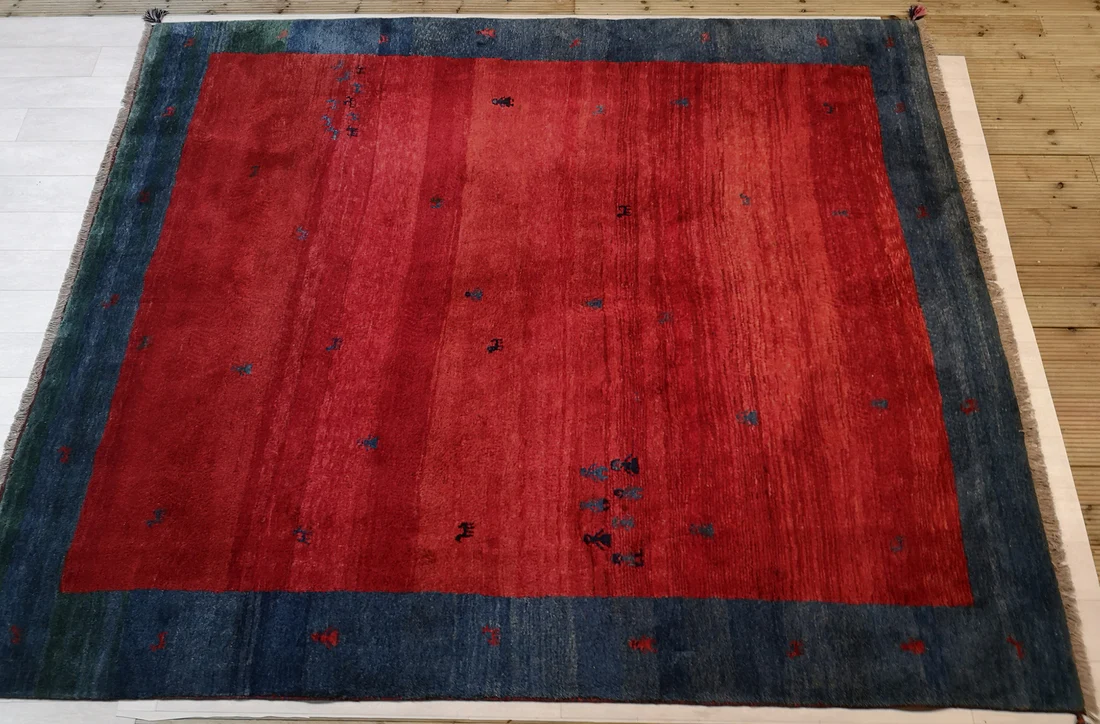
13. Gabbeh
Gabbeh is a thick, simple handwoven rug, mostly produced by Qashqai nomads of southern Iran.
Common motifs: simple patterns depicting animals or primitive shapes.
Materials: wool.
Features: long pile and rustic, naive designs.
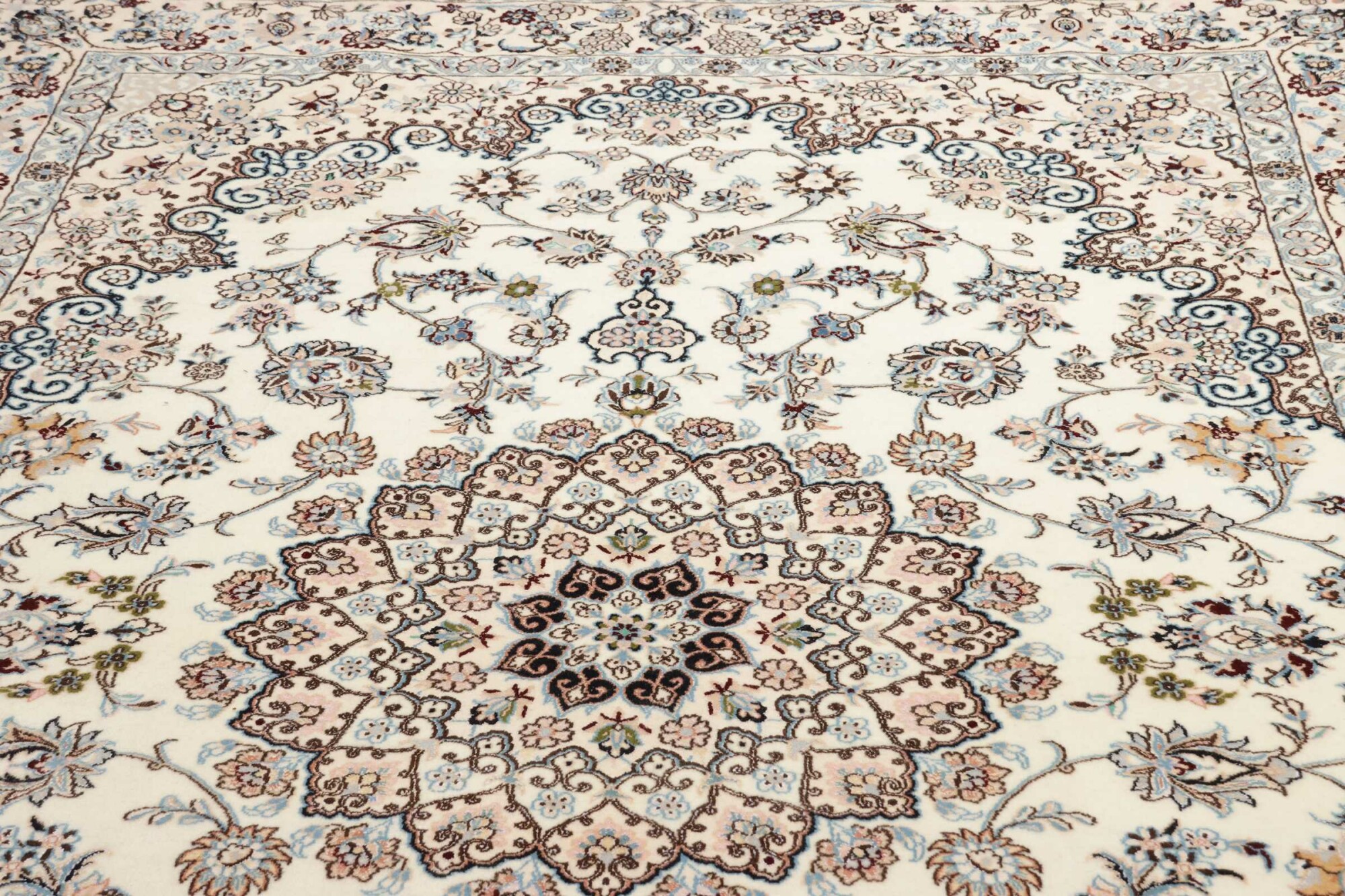
14. Nain Carpet
The Nain carpet is one of the most luxurious Persian rugs, made in the city of Nain.
Common motifs: medallion-and-corner, arabesques, Shah Abbasi.
Materials: wool and silk.
Features: light color palette and highly detailed patterns.
Conclusion
The Persian handwoven carpet, with its incredible variety from Tabriz to Sistan, reflects the depth of Iran’s rich culture and artistic tradition. Understanding the names and character
