At Carpeter, we reclaim vintage carpets and reimagine their stories through unique rugs and pet houses.


History of Persian carpets

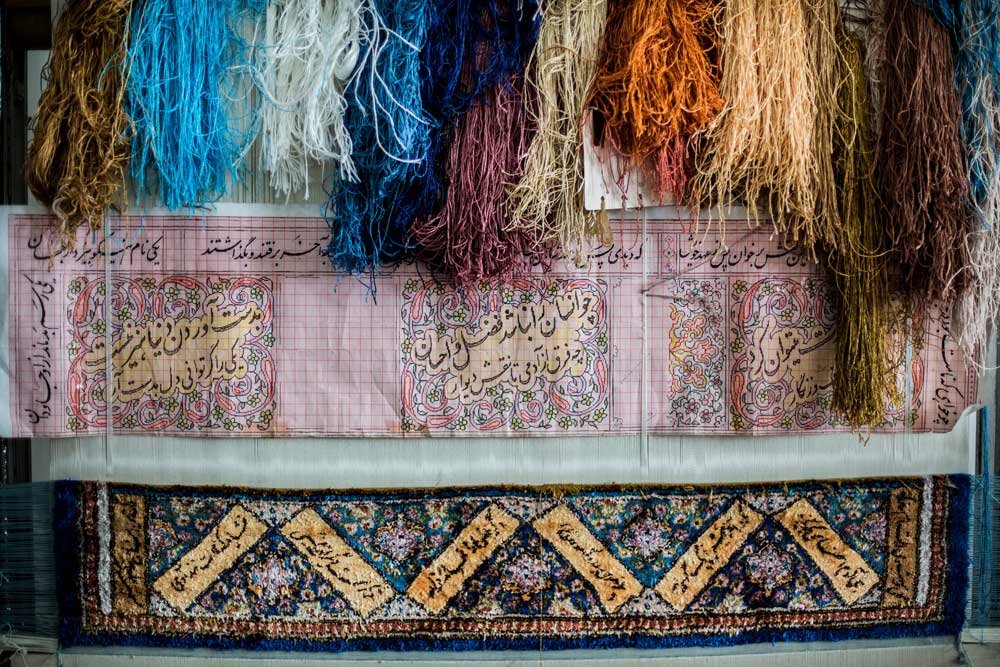
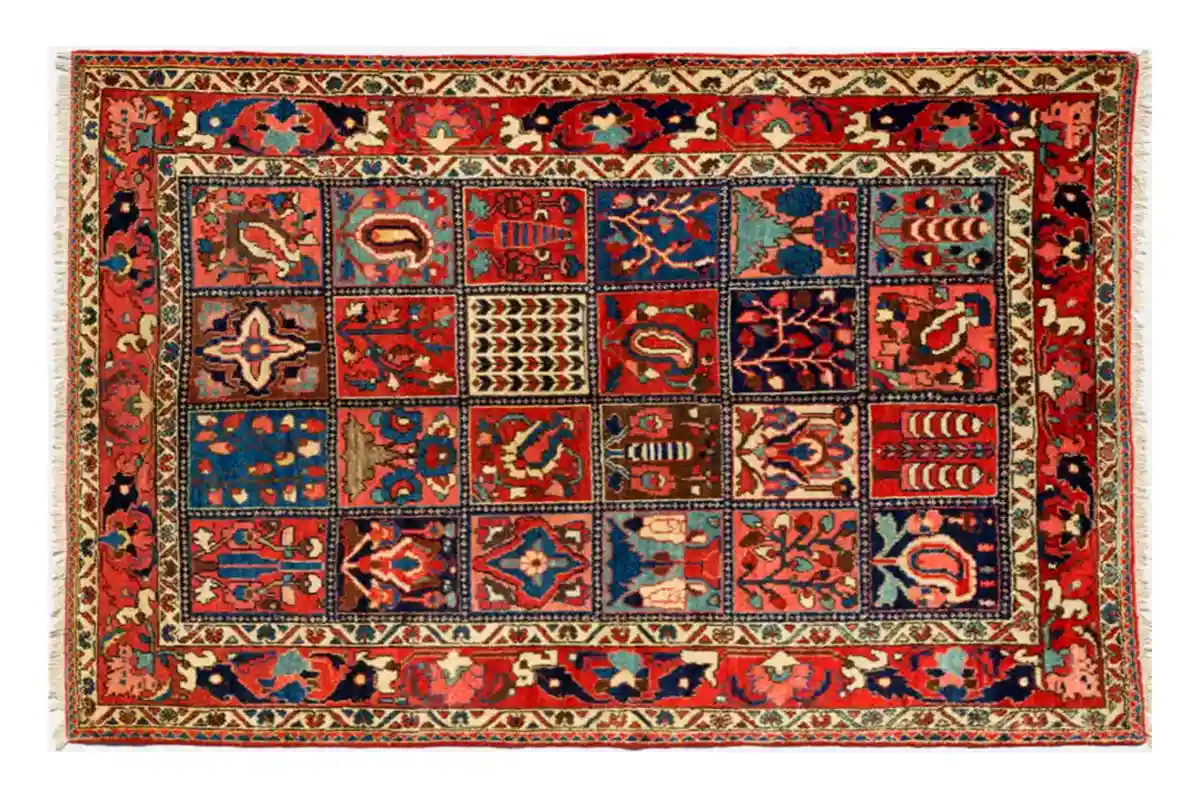
A Persian carpet (Persian: فرش ایرانی, romanized: farš-e irâni), also known as a Persian rug (قالی ایرانی, qâli-ye irâni) or Iranian carpet, is a handwoven textile of great artistic, cultural, and historical significance, produced primarily in Iran — historically known as Persia. These carpets serve both utilitarian and symbolic purposes and are widely appreciated for their craftsmanship, design complexity, and deep cultural heritage. Carpet weaving remains one of the most iconic elements of Persian art and identity.
Within the broader group of Oriental rugs produced across the “Rug Belt” stretching from the Balkans to East Asia, Persian carpets are especially distinguished by their technical refinement, diversity of patterns, and artistic innovation. Persian weaving traditions have evolved over more than 2,500 years, blending nomadic creativity with the refinement of urban and royal workshops.
Historically
Historically, rugs were woven simultaneously by nomadic tribes, village artisans, urban workshops, and royal manufactories, each contributing unique techniques and aesthetics. The Safavid era (16th–17th centuries), particularly in Isfahan, marked a golden age for Persian carpet art, producing masterpieces known for their intricate floral motifs, balanced symmetry, and luminous natural dyes. Many of these works are preserved today in major museums and private collections worldwide, serving as enduring symbols of Persian artistic excellence.
Persian Carpet-making
Carpet-making centers such as Tabriz, Kerman, Ravar, Neyshabour, Mashhad, Kashan, Isfahan, Nain, and Qom each developed distinct styles characterized by regional materials, dyeing methods, and creative motifs. Urban workshops, especially in Tabriz, played a crucial role in reviving the industry during post-decline periods. Meanwhile, rural and tribal weavers — using locally sourced wool and bold natural dyes — have preserved the most traditional and expressive forms of Persian design. The Gabbeh carpets of nomadic origin are among the best-known for their simplicity and vibrant authenticity.
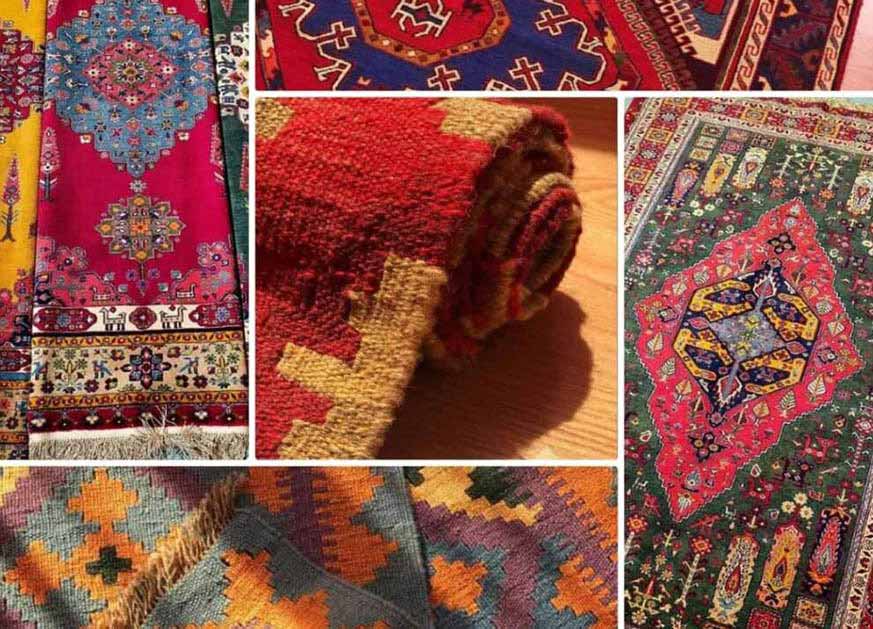
Throughout history, political upheavals and economic shifts have brought both decline and revival to Persian carpet weaving. The late 19th century saw challenges due to synthetic dyes and industrial production, yet the late 20th and early 21st centuries have witnessed a strong revival of natural dyeing techniques, sustainable production, and reinterpretation of traditional motifs through modern aesthetics. Today, handmade Persian rugs continue to be recognized worldwide for their artistic value, cultural symbolism, and enduring craftsmanship.
UNESCO
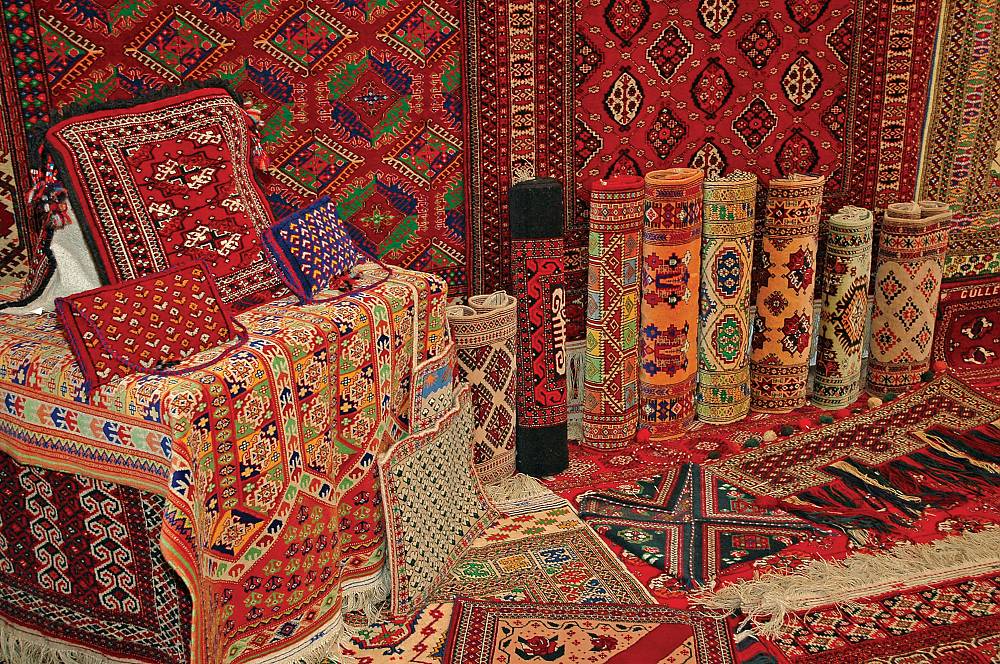
Although the term Persian carpet often refers to pile-woven rugs, flat-woven styles such as Kilim and Soumak and embroidered textiles like Suzani are integral parts of Iran’s diverse weaving traditions.
In 2010, UNESCO inscribed the Traditional Skills of Carpet Weaving in Fars Province and Kashan on the Intangible Cultural Heritage of Humanity List, recognizing the practice as a living art that continues to define Iranian cultural identity in the 21st century.